 |
| Harmony I created unity and variety by using color and line as my elements of design. I used a lot of blue to create a blue theme and the lines on the headboard of the bed draw your lines horizontally across the room. |
Friday, April 10, 2015
Sign Me Up #10

Thursday, April 9, 2015
Sign Me up #9
This week in interior design we learned about rhythm. Rhythm in interior design focuses the eyes on a path at a pace that is comfortable. Rhythm can be found in the repetition of color, texture, line, or furniture pieces. There are three types of rhythm found in interior design.
The first type of rhythm is radiation which can give a circular or sweeping movement.
The repeated arches add rhythm to this joint.
The first type of rhythm is radiation which can give a circular or sweeping movement.
 |
| The staircase in the room makes a circular movement giving the room rhythm. |
 |
| The repeated addition of the circular plates on the wall makes radial rhythm. |
The second type of rhythm is repetition which establishes rhythm through the repeated use of an object, color, or texture.
 |
 |
| The repetition of the polka dots as well as the color pink and rhythm to this room. |
The final type of rhythm is gradation which is gradual changes in lines, sizes, or colors.
 |
| Gradation is shown by the three tables getting smaller as they go down. |
 |
| The three candle holders change size which shows gradation. |
Wednesday, April 8, 2015

Tuesday, April 7, 2015


Thursday, February 12, 2015
Sign Me Up #5
 Bay Window- A set of two or more windows that protrude out from the wall. The window is moved away from the wall to provide more light and wider views.
Casement Window- A window that opens by swinging inward or outward much like a door. Casement windows are usually vertical in shape but are often grouped in bands.
 Clapboard- Also known as weatherboard or siding. Long, narrow boards overlapped to cover the outer walls. Used in colonial style frame houses.
 Dormer- The setting for a vertical window in the roof. Called a gable dormer if it has its own gable or a shed dormer if a flat roof. Most often found in upstairs bedrooms.
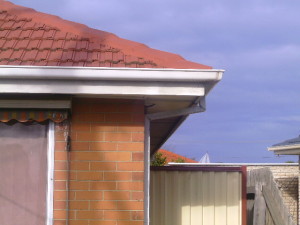 Eaves- The portion of the roof that projects beyond the wall.
 Fanlight- A semicircular or arched window above a door.
 Palladian Window- A three part window featuring a large arched center and flanking rectangular sides.
 Pediment- A triangular crown used over doors, windows, or porches.
  Portico- A large porch usually with a pedimented roof supported by classical columns or pillars.
 Rafter- A roof beam sloping from the ridge to the wall. In most houses, rafters are only visible from the attic. In styles such as craftsman bungalows and some rustic contemporaries, they are exposed.
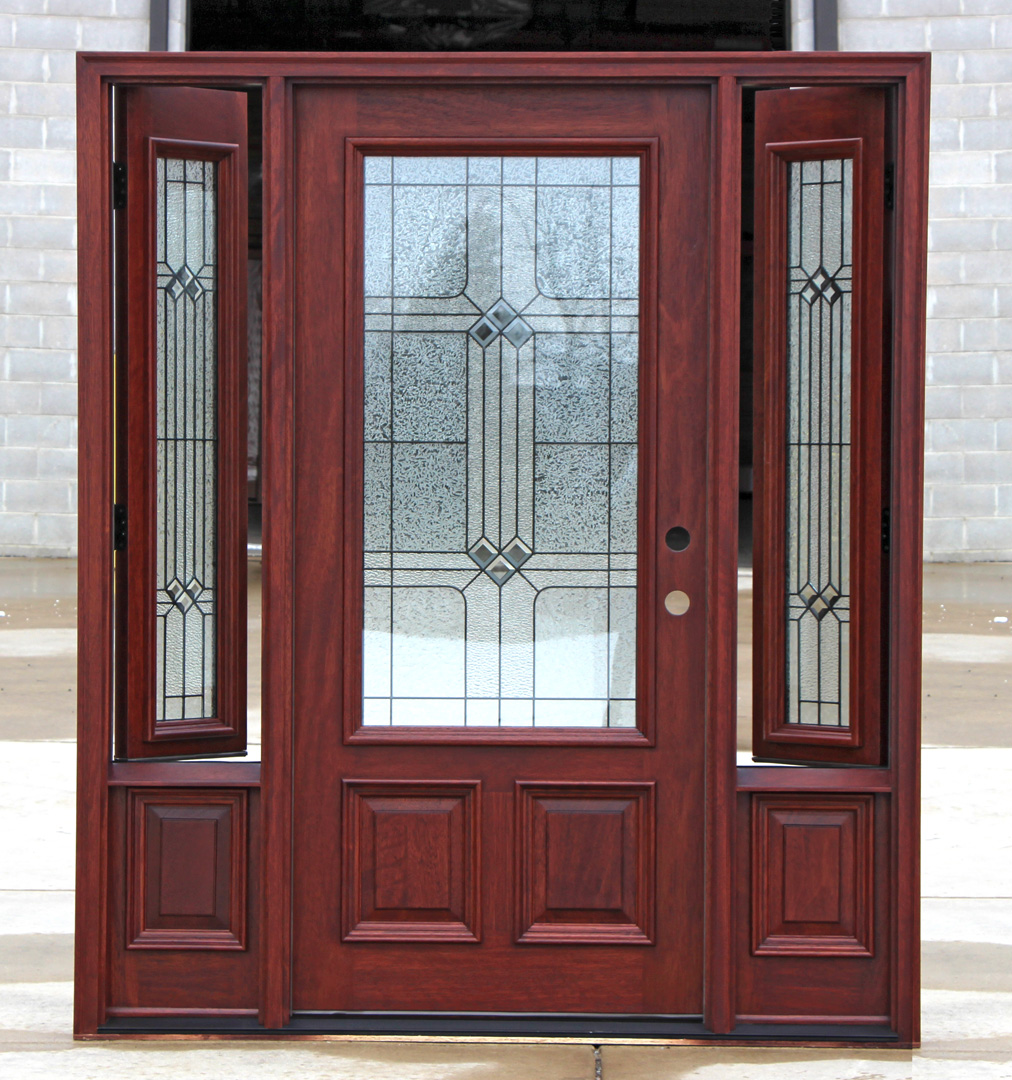 Sidelights- Windows on either side of the door.
 Turrets- Small towers often at the corner of a building.
 Thursday, February 5, 2015
Sign Me Up #4

Gable Roof- Is a roof with two sloping sides, forming a triangle at one or both ends.

Gambrel Roof- Is a roof with two angles of slopes on each of two sides, the lower slope steeper than the upper slope.
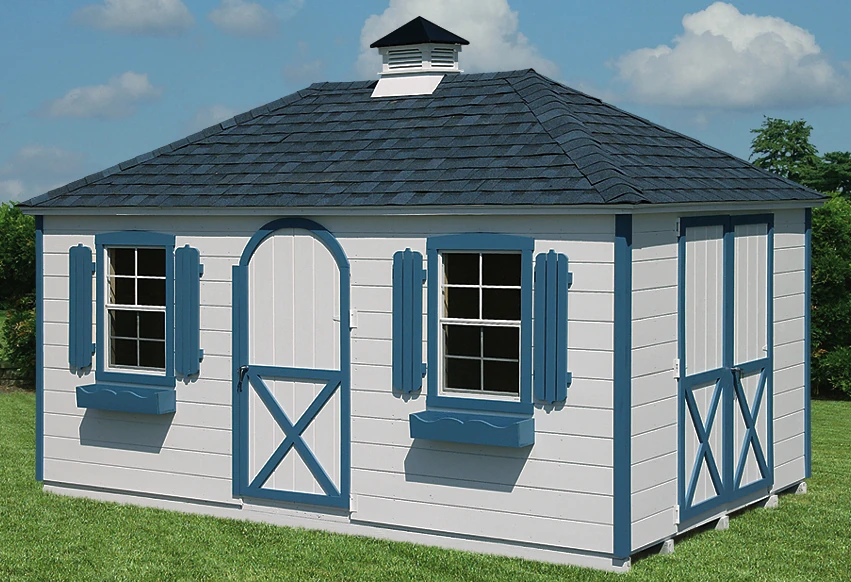
Hipped Roof- All four sides of this roof slope inward to meet at a peak, or a ridge.
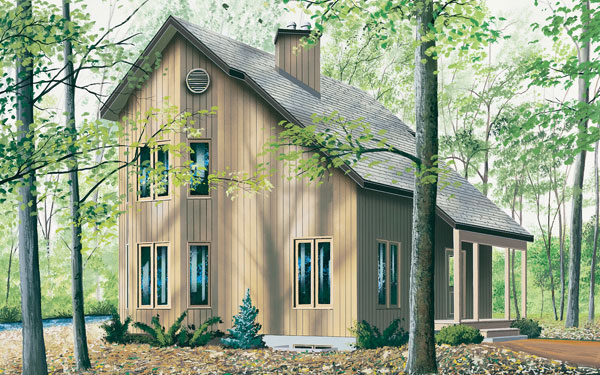
Saltbox Roof- A variation of the gable roof, originally created when a low lean-to addition was built onto the back wall of a house.

Mansard Roof- All four sides of this roof have two slopes, the lower four steeper than the upper four.
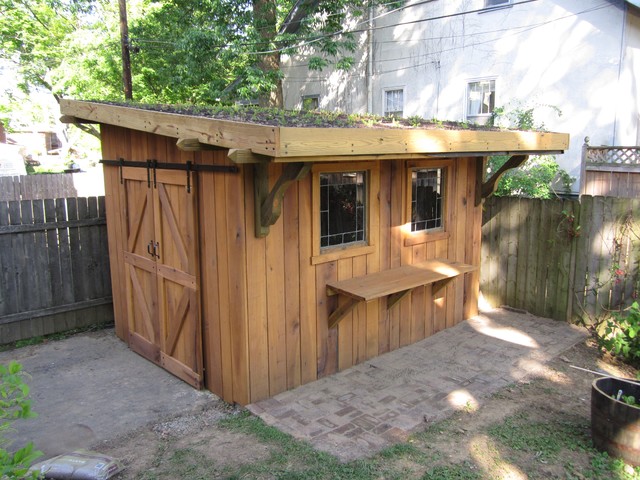
Shed Roof- A simple, one-slope roof; also called a lean-to roof.
Sign Me Up #3
This week in interior design we learned about the housing needs during each phase of the life cycle. Throughout your life cycle you will live in different types of housing based on your needs at that time. There are four stages to the life cycle. The first is young adult, then there's young families, next is launching, and finally is empty nesters. There are certain physical and psychological needs that a house needs to meet. The physical needs are shelter, sleep, food prep, storage, and safety. The psychological needs are love and belonging, privacy, creativity, and identity.
Subscribe to:
Comments (Atom)